The issue of market diversification has become particularly relevant against the background of the recent conflict in the Middle East
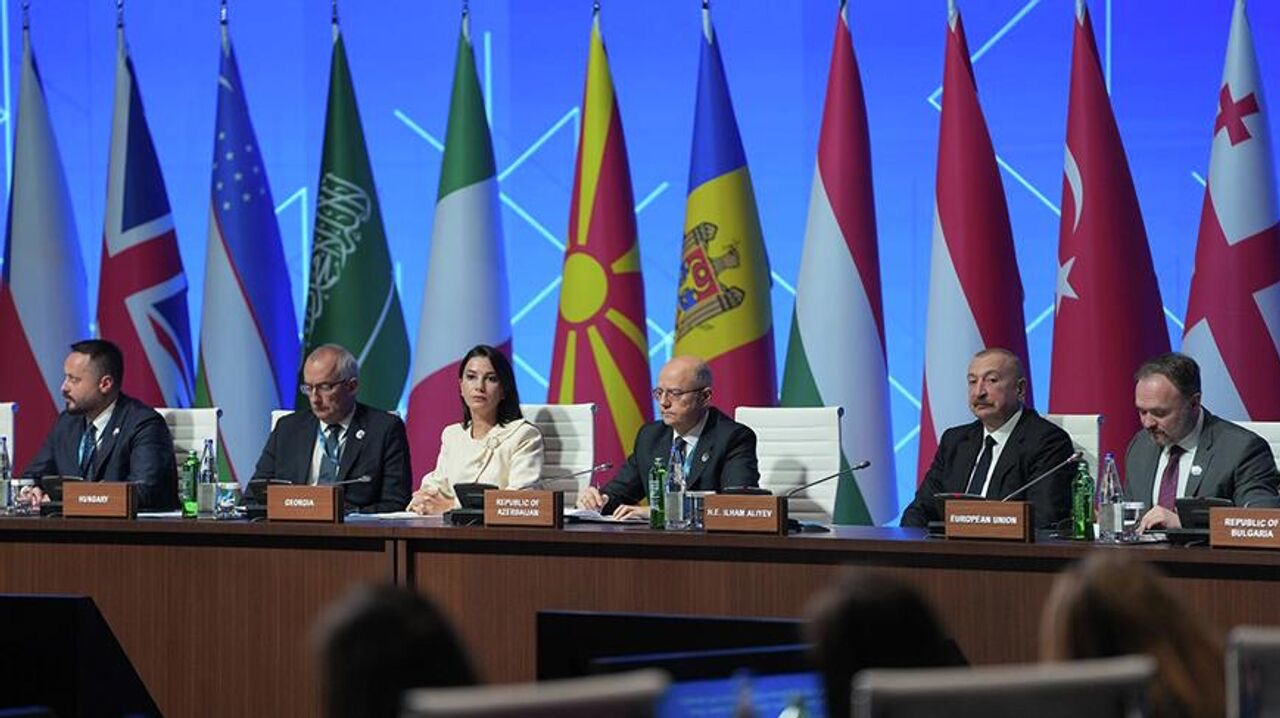
Natural gas transported through Georgia via the Southern Gas Corridor is important for the diversification of international and European markets, Georgian Economy Minister Mariam Kvrivishvili said at the 12th ministerial meeting of the Advisory Council of the Southern Gas Corridor (SGC) in Baku.
The main topic of the meeting was the strategic role of the project for the energy security of Europe and the diversification of supplies, taking into account the conflict in the Middle East. The participants discussed the expansion of the gas pipeline capacity (TANAP, TAP) and the development of “green” energy.
“Natural gas transported through our country is crucial for diversifying international, especially European, energy markets and improving security of supply. Georgia has already demonstrated unwavering support for regional transit initiatives,” Kvrivishvili said.
According to her, it is important to support any proposals for cooperation that will contribute to creating a healthy, sustainable environment in the energy sector and meet the needs of citizens in the region and beyond.
She noted the important role of two flagship projects of international cooperation – the Black Sea Submarine Cable, which will build an underwater transmission line with a capacity of 1,300 megawatts, which will make it possible to export clean electricity to Europe.
“In parallel with Azerbaijan, Romania and Hungary, we are developing a green energy corridor, which includes a large-scale electric interconnector and a component of green hydrogen. These projects are not just infrastructure, but our shared commitment to diversification, decarbonization and long–term sustainability,” Kvrivishvili said.
The issue of market diversification has become particularly relevant against the background of the recent conflict in the Middle East.
Gas prices in Europe have been rising for the second day in a row as storage stocks are unusually low and the region needs to import significant volumes of liquefied natural gas in the summer to replenish them before next winter.
It is reported that although Asian countries buy the bulk of liquefied natural gas from the Middle East, any disruptions will increase competition for alternative supplies, pushing prices up around the world, including in Europe.
Since February 27, European prices have increased by about 70%, which was the highest increase since the energy crisis of 2022.
The price of gas for “next day” delivery at the TTF reference European hub reached $704 per thousand cubic meters on March 3 in the morning, while on Monday trading closed at around $531.
This happened after Qatar halted production of liquefied natural gas at the world’s largest export facility on March 2 following an attack on a Qatar Energy facility by Iranian drones.
Qatar is the world’s second largest exporter of liquefied natural gas after the United States and plays an important role in balancing the needs of the Asian and European markets.